
If you are upgrading appliances, planning a renovation, or noticing breakers that trip more often than they should, you may be wondering: What size electrical panel do I need?
Your house electrical panel is the heart of your home’s electrical system. Choosing the correct electrical panel size is not just about convenience. It is about safety, efficiency, and making sure your home can handle modern power demands, especially here in New Hampshire, where HVAC systems, generators, and seasonal weather can increase electrical loads.
This guide will help you understand standard electrical panel sizes, how electrical panel sizing works, and when to consult a licensed electrician.
Standard Electrical Panel Sizes for Homes
Most residential homes in New Hampshire fall into one of these standard electrical panel sizes:
| Panel Amperage | Typical Use Case | Is it Common in NH Homes? |
| 100 amps | Small or older homes with limited appliances | Yes, especially older properties |
| 150 amps | Mid-sized homes with moderate electrical load | Occasionally |
| 200 amps | Modern homes with central air, electric heat, or larger kitchens | Very common |
| 400 amps | Large homes, additions, EV chargers, or multiple HVAC systems | Growing in demand |
For most modern households, 200 amps is considered the current standard. However, that does not mean it is automatically right for your home.
How to Determine What Size Electrical Panel You Need
Sizing electrical panels involves calculating your home’s total electrical load. This includes both current usage and future plans. Here is a step-by-step guide you can follow:
Step 1: Evaluate Your Home’s Square Footage
Larger homes generally require more amperage to support lighting, outlets, and dedicated circuits.
Step 2: Consider Major Appliances
Make a list of high-demand systems, such as:
- Electric furnace or heat pump
- Central air conditioning
- Electric water heater
- Electric range or cooktop
- Dryer
- EV charger
- Whole-home generator
Homes in New Hampshire often rely on electric heat or backup generators during winter storms, which can significantly increase load requirements.
Step 3: Factor in Renovations or Additions
Planning a finished basement, home office, or in-law suite? Adding square footage or new circuits may require upgrading your house’s electrical panel to prevent future limitations.
Step 4: Assess Future Technology Needs
Modern households often add:
- Smart home systems
- Security systems
- Hot tubs
- Workshop equipment
- Solar panel integration
Installing a panel that only meets today’s needs can lead to another costly upgrade later.
Signs Your Current Electrical Panel May Be Too Small
Not sure if your existing panel is adequate? You can watch for these warning signs:
- Breakers trip frequently
- Lights flicker when large appliances turn on
- You use multiple extension cords or power strips
- Your panel is full with no space for additional circuits
- Your home still has a 60 or 100 amp service
Many older New Hampshire homes still operate on 100-amp panels. While this may have been sufficient decades ago, it often does not meet the demands of modern living.
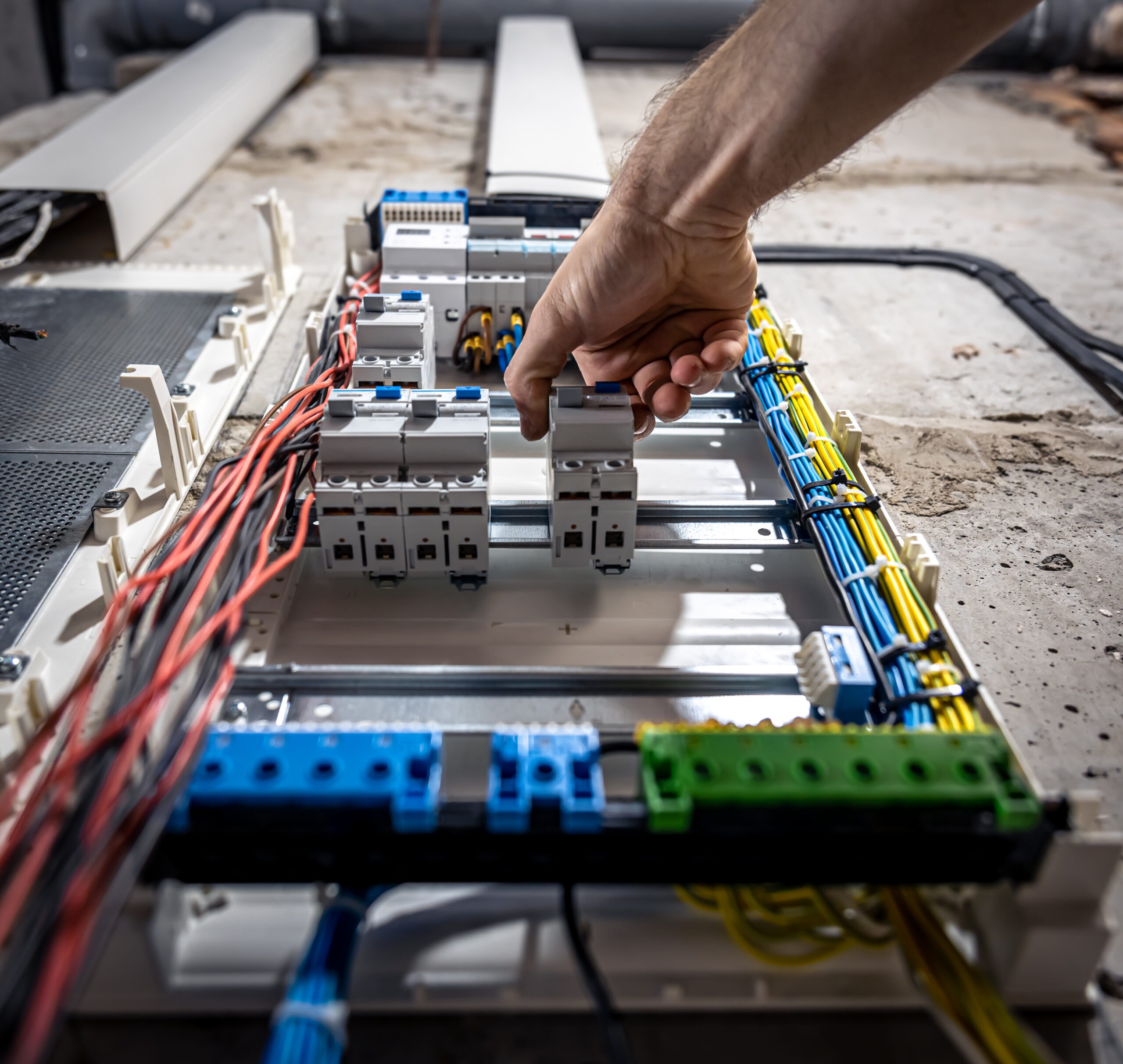
Why Panel Size Matters in New Hampshire
Electrical demand in New Hampshire can differ from that in other regions due to climate and infrastructure. Common local factors include:
- Electric baseboard or heat pumps during long winters
- Whole-home generators for storm protection
- Sump pumps and well systems in rural areas
- Detached garages or barns with separate subpanels
Properly sizing your electrical panel ensures your system can handle winter peaks without safety risks.
100 Amp vs 200 Amp Panel: What Is the Real Difference?
Choosing between a 100-amp and 200-amp electrical panel is one of the most common decisions homeowners face when evaluating an upgrade. The difference is not just about numbers. It affects your home’s safety, flexibility, and ability to support modern electrical demands.
Below is a side-by-side comparison to clarify how each option performs in real-world scenarios.
| Feature | 100 Amp Panel | 200 Amp Panel |
| Typical Home Size | Under 1,500 square feet | 1,500+ square feet |
| Appliance Capacity | Limited support for major appliances | Handles multiple high-demand appliances |
| Electric Heat | Often not sufficient | Suitable for electric heating systems |
| EV Charger Support | Usually requires an upgrade | Can typically support a Level 2 charger |
| Space for New Circuits | Limited breaker space | Room for expansion |
| Renovations or Additions | May require future upgrade | Designed for growth |
| Long Term Flexibility | Minimal | Strong future proofing |
In New Hampshire, where winter heating loads and backup power systems are common, 200 amp service offers a practical safety margin.
For many homeowners, upgrading to 200 amps is not just about meeting today’s needs. It is about protecting long-term home value and avoiding another panel replacement in the near future.
Can You Upgrade Your Electrical Panel Yourself?
Electrical panel upgrades involve working with high-voltage service lines and must meet local code requirements. In New Hampshire, panel upgrades typically require:
- Electrical permits
- Coordination with the utility company
- Code-compliant installation
- Inspection approval
Attempting a DIY panel upgrade is not only dangerous but may void insurance coverage or create liability issues.
When You Should Call a Licensed Electrician?
If you are unsure about your electrical panel size, then it’s a clear signal that it is time to bring in a professional. Here are common scenarios homeowners in New Hampshire face, along with how a licensed electrician can help:
1. Planning a Renovation or Addition
Upgrading a kitchen, finishing a basement, or adding new living space increases your electrical demand.
How an electrician helps:
They calculate the added load, determine if your current house electrical panel can handle it, and recommend an upgrade if needed before construction begins.
2. Installing High-Demand Equipment
Adding electric heat, a heat pump, an EV charger, a hot tub, or a whole-home generator significantly increases the amperage requirements.
How an electrician helps:
They evaluate your existing service capacity and ensure the panel can safely support the new equipment without overloading circuits.
3. Breakers Trip Frequently
If your breakers trip when multiple appliances run at once, your system may be stretched beyond its limit.
How an electrician helps:
They identify whether the issue is a circuit overload, improper distribution, or an undersized electrical panel, and then provide a safe, long-term solution.
4. Your Panel Is Full or Outdated
Older panels often have no room for additional circuits, or they may still operate on 100-amp service.
How an electrician helps:
They assess available breaker space, inspect for safety concerns, and recommend upgrading to a properly sized panel that meets current New Hampshire code.
5. You Want to Future-Proof Your Home
Modern homes continue to add technology, from smart systems to backup power solutions.
How an electrician helps:
They perform a formal load calculation and design a panel setup that supports both your current needs and future expansion.
Bringing in a licensed electrician ensures your electrical panel size is based on accurate calculations, local code requirements, and real-world usage. For New Hampshire homeowners, that peace of mind is just as important as the upgrade itself.
How Wolf Mountain Helps Homeowners Across New Hampshire
At Wolf Mountain, we understand the electrical challenges that New Hampshire homeowners face. Whether you live in Plymouth, Thornton, Waterville Valley, or the surrounding Lakes Region, our team provides:
- Professional load calculations
- Electrical panel upgrades
- Generator integration
- Code-compliant installations
- Clear, practical guidance you can trust
We focus on safety, long-term performance, and solutions that fit your home and your future plans.
Final Thoughts: Choosing the Right Electrical Panel Size
If you are asking yourself what size electrical panel you need, it likely means your home is growing, or your electrical demands are changing.
The right panel size protects your home, supports modern technology, and prevents costly problems down the road. Instead of guessing, have your system evaluated by a qualified local electrician who understands New Hampshire homes and code requirements.
If you are considering a panel upgrade or simply want peace of mind, Wolf Mountain is here to help you make the right decision for your home and your family. Contact us today to get started!
FAQs
How do I calculate the size of the electrical panel I need?
An electrician calculates your panel size by adding up your home’s total electrical load, including square footage, major appliances, heating systems, and future additions like EV chargers or generators. A professional load calculation ensures your panel meets code and safely handles demand.
How do I Know If I need a 100- or 200-amp panel?
A 100-amp panel may work for small homes with gas heat and limited appliances.
A 200-amp panel is recommended for most modern homes, especially if you have electric heat, central air, an EV charger, or plan to renovate. In New Hampshire, 200 amps is often the safer long-term choice.
What is the 80% rule for electrical panels?
The 80% rule means a panel should not carry more than 80% of its rated capacity continuously.
For example, a 200-amp panel should not exceed 160 amps of ongoing load. This safety margin prevents overheating and breaker issues.
How do I know if my panel is too small?
Common signs include frequent breaker trips, flickering lights, limited breaker space, or difficulty adding new circuits. These may indicate your electrical panel is undersized.