
Your home’s electrical system is the backbone of modern living. It powers everything from your morning coffee to your heating system during brutal New Hampshire winters. But when wiring starts to fail, it doesn’t always announce itself with obvious warnings.
Flickering lights, frequent breaker trips, or outlets that feel warm to the touch are your home’s way of saying it needs help. If you’ve been wondering whether you should rewire your house or what the investment would cost, we’ve got you covered.
This guide breaks down the signs that rewiring is necessary, what drives costs, and how to protect your home and family from electrical hazards.
7 Warning Signs You Need to Rewire Your House
Your Home Was Built Before 1970
Homes from this era often have knob-and-tube or aluminum wiring that can’t handle modern demands, lack grounding, and are considered fire hazards by insurers.
Frequent Circuit Breaker Trips
Occasional trips are normal. Constantly resetting breakers means your system is dangerously overloaded.
Flickering or Dimming Lights
Flickering lights when you use appliances indicate that your wiring can’t distribute power properly.
Discolored or Warm Outlets
Outlets that feel warm or show scorch marks indicate arcing inside your walls. This is often the last warning before fire.
Burning Smell or Sparking
Any burning odor or visible sparks requires immediate professional attention. These are urgent safety hazards.
Two-Prong Outlets Throughout
Ungrounded outlets can’t safely handle modern electronics, increasing the risk of shock.
Planning a Major Renovation
Opening walls anyway? Perfect time to upgrade your wiring and avoid future headaches.
How Much Does It Cost to Rewire a House?
Average Cost Breakdown for New Hampshire Homes
| Home Size | Price Range | Average Cost |
| 1,000 sq ft | $3,000 – $6,000 | $4,500 |
| 1,500 sq ft | $4,500 – $9,000 | $6,750 |
| 2,000 sq ft | $6,000 – $12,000 | $9,000 |
| 2,500 sq ft | $7,500 – $15,000 | $11,250 |
| 3,000+ sq ft | $9,000 – $18,000+ | $13,500+ |
These figures represent typical full-home rewiring projects in New Hampshire. Actual costs will vary based on accessibility, local permitting requirements, and the complexity of your electrical needs.
Square footage is just the starting point. Key factors that drive your final price also include:
- Home age and construction type: Older homes with plaster walls or multiple stories require more labor.
- Wall accessibility: Whether existing walls need to be opened and repaired.
- Number of circuits needed: Modern homes need more circuits than older electrical systems provided.
- Panel upgrades: Replacing outdated electrical panels adds $1,500 to $3,000.
- Basement finish level: Finished basements make wire access more difficult and costly.
- Existing wiring type: Removing knob-and-tube or aluminum wiring requires extra care.
Partial Rewiring vs. Full House Rewiring
Not every home needs complete rewiring. Here’s how costs compare:
Partial Rewiring Options:
- Single room rewiring: $1,000 – $3,000
- Updating specific circuits: $500 – $1,500
- Kitchen or bathroom upgrade: $1,500 – $4,000
Full House Rewiring:
- Complete system replacement: $3,000 – $18,000+ (based on square footage)
- Best for homes with widespread electrical issues
- More cost-effective long term than multiple partial fixes
If your home has outdated wiring throughout, piecemeal fixes often cost more in the long run than comprehensive, properly installed rewiring.
Additional Costs to Consider
Beyond basic wire replacement, budget for these common add-ons might include:
- Permits and inspections: $200 to $500 in most New Hampshire towns.
- Electrical panel upgrade: $1,500-$3,000 for a modern 200-amp service.
- Code compliance updates: GFCI outlets, AFCI breakers, and proper grounding.
- Wall repair and repainting: $500 to $2,000, depending on the extent of drywall work.
- Optional upgrades: additional outlets, USB charging ports, smart switches, and whole-house surge protection.
These improvements add value to your home but increase your total investment. We suggest you discuss priorities with your electrician to create a budget that works for you.
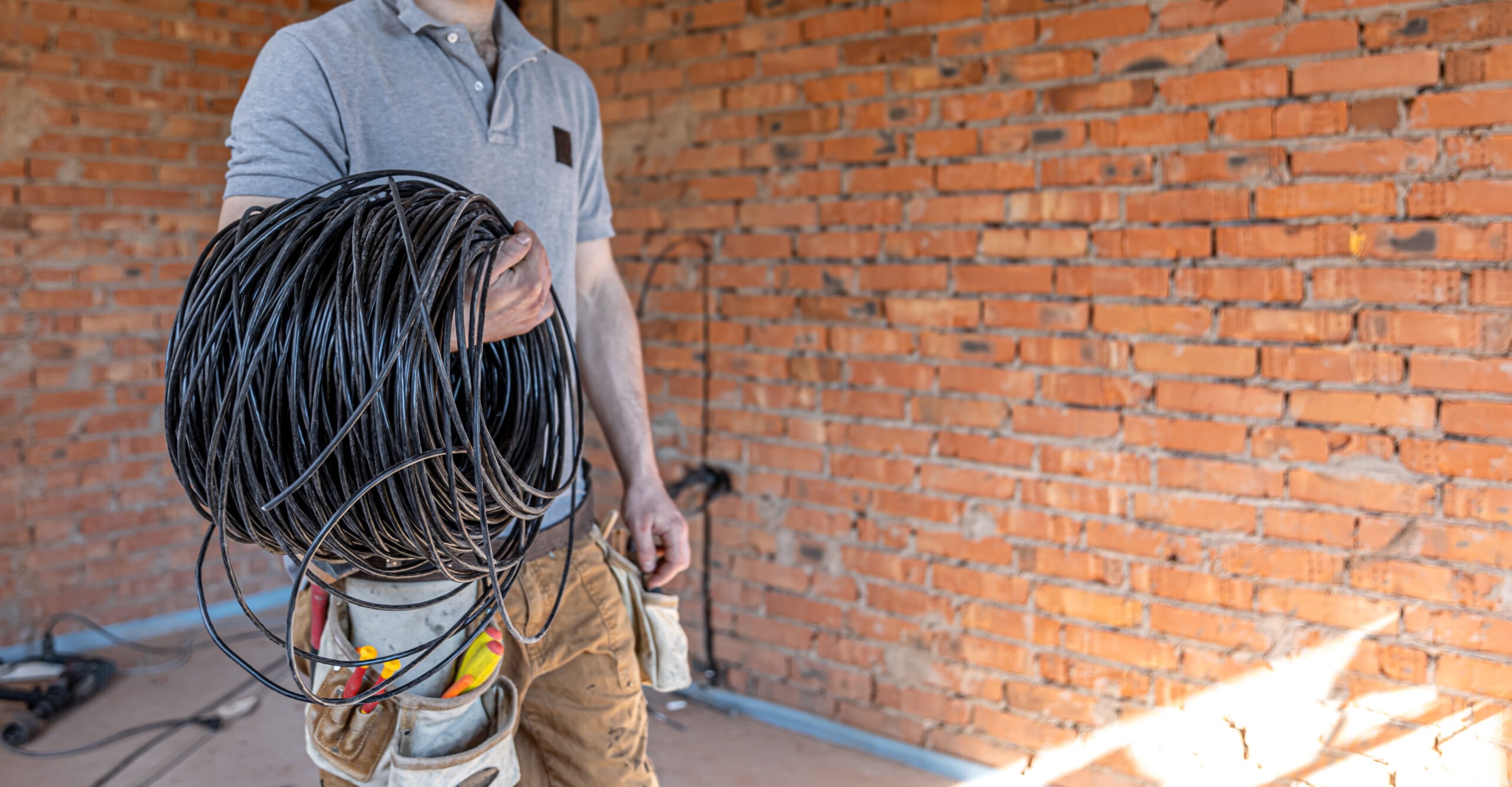
How To Know When Your House Needs to Be Rewired
Your Electrical System Is Old Enough to Collect Social Security
The 50-70 Year Rule:
Electrical systems aren’t immortal. After 50-70 years, insulation cracks, connections corrode, and wires degrade. If your New Hampshire home’s electrical work hasn’t been updated since the Nixon administration, you’re not just living in a vintage home. You’re living on borrowed time.
Here’s a quick age check:
- Built before 1970? Almost certainly needs evaluation.
- Built in the 1970s-1980s? Likely approaching replacement time.
- Built in the 1990s? Monitor for warning signs.
The question isn’t whether you’ll need rewiring. It’s when you’ll need it.
Extension Cords Have Become Part of Your Decor
These are major red flags you can literally trip over, such as:
- Extension cords snaking across hallways.
- Power strips daisy-chained together behind the TV.
- Cords permanently duct-taped to baseboards.
- That octopus adapter that’s been in the kitchen outlet for three years.
If temporary fixes have become permanent features, your electrical system is waving a white flag. It can’t keep up with your needs, and code enforcement wouldn’t be thrilled about it either. Your home needs additional circuits and properly installed outlets, not creative cord management.
Your Insurance Company Is Playing Hardball
When “we need to talk” comes from your insurer.
Many insurance providers have a zero-tolerance policy for outdated electrical systems. Here’s what that looks like:
- Flat-out refusal to cover homes with knob-and-tube wiring.
- Premium increases of 50-100% for outdated electrical systems.
- Coverage exclusions for electrical-related damage.
- Requirements for professional inspection and upgrade.
If your insurance company is pushing back or threatening to drop you, rewiring isn’t just a suggestion. It’s a requirement. No coverage means no mortgage, no protection, and no peace of mind.
Your House Keeps Zapping You Like a Prank Buzzer
Small shocks, big problems.
Getting a tingle when you flip a light switch isn’t a quirky character. It’s your home screaming for help. Those mild zaps indicate:
☑ Grounding problems.
☑ Deteriorating wire insulation.
☑ Dangerous electrical faults hiding in your walls.
While the shocks might seem tolerable (annoying but survivable), they’re warning signs of conditions that can escalate to serious injury or fire. This isn’t a “wait and see” situation. It’s a “call an electrician today” situation.
What Happens During a Home Rewiring Project?
Expect the rewiring process to take 3-10 days, depending on the size of your home. Electricians will start by assessing your current system and creating a plan that meets current electrical codes.
During the work, power will be shut off to specific areas, walls may need to be opened to access old wiring, and new cables will be run throughout your home. Once installation is complete, everything gets inspected, tested, and certified.
You’ll likely need to vacate rooms that will be worked on, but most families can stay in their homes during the project.
Risks of Delaying Rewiring
| Risk | What Happens | The Real Cost |
| Fire Hazards | Cracked insulation exposes wires. Connections arc. Circuits overheat inside walls. | 28,000 U.S. house fires annually from faulty wiring. Total loss possible. |
| Electrical Shocks | Deteriorating wiring creates shock risks from mild to fatal | Serious injury or death. Children and the elderly most vulnerable. |
| Fried Electronics | Power surges destroy expensive equipment and shorten appliance life | Replacing that $2,000 fridge or $3,000 entertainment system costs more than rewiring |
| Lost Property Value | Inspections flag outdated electrical. Buyers walk. Appraisals drop. | $10,000-$20,000+ off your sale price when selling |
In conclusion, the longer you wait to address known electrical issues, the greater your risk across all categories. Rewiring isn’t just a maintenance expense. It’s protection against catastrophic loss.
Choosing the Right Electrician for Your Rewiring Project
You must look for licensed electricians with specific experience in whole-home rewiring. Ask about permits, whether they handle inspections, and if they coordinate with other contractors if you’re doing simultaneous renovation work.
Get detailed written estimates from at least three professionals, and verify they’re properly insured. The cheapest bid isn’t always the best value. You want someone who understands local building codes, communicates clearly, and stands behind their work.
When Should I Rewire My House or Wait?
You Should Rewire Now If:
☑ Your home is 40+ years old and still with its original wiring.
☑ You’re seeing multiple warning signs (flickering lights, warm outlets, frequent breaker trips).
☑ Your insurance company is demanding upgrades.
☑ You’re planning a major renovation anyway.
The verdict: Waiting costs more and increases risk. For New Hampshire homeowners with harsh winters and heavy heating loads, a reliable electrical system isn’t optional.
You Can Wait If:
- Your home was built or rewired in the past 20 years.
- No warning signs are present.
- Recent inspections came back clean.
The verdict: You’re likely fine for now. Just schedule regular inspections and address small issues quickly.
Make the Call
Stop guessing whether you need it. At Wolf Mountain, our licensed electricians can help assess your situation, provide a real estimate, and create a plan that fits your timeline and budget.
The investment in rewiring isn’t about compliance. It’s about protecting your family and home. Don’t let decades-old wiring put everything at risk. Contact our team today!
FAQs
At what age does a house need to be rewired in NH?
Most homes need rewiring after 50-70 years, though homes built before 1970 with knob-and-tube or aluminum wiring should be evaluated immediately. Age alone isn’t the only factor.
Warning signs like frequent breaker trips, flickering lights, or warm outlets mean it’s time, regardless of your home’s age.
How much does a full house rewire cost?
Full-house rewiring in New Hampshire typically costs $3,000 to $18,000+, depending on the square footage. A 1,500 sq ft home averages around $6,750, while a 2,500 sq ft home runs approximately $11,250.
Costs vary based on accessibility, whether you need a panel upgrade, and local permitting requirements.
Is 70-year-old wiring safe?
No. Wiring from the 1950s has reached the end of its safe lifespan. Insulation deteriorates, connections corrode, and these systems weren’t designed for modern electrical loads. Insurance companies often refuse coverage or charge higher premiums for homes with wiring this old. If your wiring is 70 years old, schedule a professional inspection immediately.